A hard freeze after a heavy snowfall does not just sparkle up the yard. It changes how your roof behaves. Heat leaking from your living space melts the bottom layer of roof snow, water runs to the cold eaves, then it freezes solid. Over a few days you get a ridge of ice along the edge and a trough of water behind it. That water creeps under shingles, into soffits, and, eventually, into drywall. By the time you see a stain on the ceiling, you may already have swollen subflooring, wet insulation, and blistered paint. This is the moment homeowners start searching for frozen gutter removal, emergency ice dam removal, and any roof ice removal service that can show up fast.
I have cleared thousands of feet of ice and slush from gutters and valleys in climates that swing twenty degrees in a day. I have seen pristine roofs ruined by aggressive chiseling and seen small, careful jobs save a season. The difference is almost always method, timing, and a sober understanding of where the water wants to go.
Why ice forms where the roof meets the sky
Ice dams are not a sign of a bad roof, they are a sign of an unbalanced system. In a typical house, warm air migrates into the attic through light fixtures, access hatches, bath fans, and gaps around penetrations. The attic warms a few degrees, which warms the roof deck. The snow starts to melt from below. That melt runs downslope until it reaches the unheated overhang. There it refreezes, building a lip. Once that lip grows tall enough, water pools upslope, often several feet. Shingles are water-shedding, not waterproof, so the pooled water forces its way under the tabs and drops into the structure.
Gutters and downspouts make this worse if they are already clogged or undersized. They hold the first inch of meltwater right at the cold edge, and when nights snap down to single digits, the gutter becomes a mold for a long bar of ice. A frozen downspout traps the column of meltwater behind it. In a thaw, that trapped water has nowhere to go except over the back of the gutter, behind the fascia, and into the soffit cavities. I have opened soffits in March and watched a full gallon spill out after a sunny day followed by a refreeze.
The risks of doing nothing, and the risks of doing it wrong
When you let ice ride out the season, you take on a ladder of hazards, and each rung costs more. Ice dam leak repair starts with interior patching, then grows into insulation replacement, roof deck drying, hidden mold remediation, and sometimes electrical repairs if water finds a fixture. Eaves can split where ice pries the gutter hangers. Fasteners tear out of punky fascia. Spring arrives and you still have a gutter sagging six feet down.
On the other hand, impatient removal can do more damage than the dam itself. I once met a homeowner who used a steel spud bar to “chip” a drain channel. He also chipped off the mineral granules that protect shingles, cracked three courses, and nicked a valley flashing. His ceiling stain vanished after we cleared the ice, then returned with the first April rain because the roof surface was compromised. That is why safe ice dam removal hinges on method and restraint. The goal is not to make ice disappear instantly, it is to let water move safely off the roof while protecting the roof’s protective layers.
What a professional roof ice removal service actually does
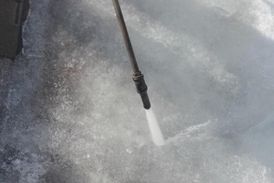
A good ice dam removal company shows up ready for three jobs: relieve standing water, open safe drainage paths, and set you up to avoid a repeat next storm. We carry low pressure steam ice removal rigs, not pressure washers or torches. Steam at the right temperature softens the bond between the ice and the roof surface and lifts the dam in clean sections. The right tool runs in the 250 to 300 degree range, and when applied correctly it peels ice like a label, leaving shingles and flashing intact. Professional ice dam steaming is slow work compared to a hammer, but it is the method that avoids collateral damage.
Where ice hugs the gutter, we open a trough at the shingle line, then cut perpendicular channels so trapped water can reach the trough. Where a downspout is frozen solid, we perform frozen downspout removal by thawing it from the top down and clearing the outlet at grade. Sometimes that means popping a lower elbow to release a plug. We look for gutter spikes that have backed out, ferrules that have bent, and hangers that have pulled through rotten wood. If a gutter has bowed under the weight and created a permanent belly, we secure it temporarily so it drains during the next thaw, then schedule a proper reset.
Roofs with complex geometries demand a different touch. Valleys collect more snow and channel melt as if by design. You can get a two inch dam in the gutter, then another mid-slope where two planes meet. We work top down on those, releasing the valley first so meltwater stops traveling toward the eave dam. Skylights, dormers, and solar panels create their own drift patterns and shade lines. Expect an experienced crew to read those patterns and focus where the water pressure is greatest, not necessarily where the ice looks the thickest.
Steam compared to salt, hammers, and heat cables
Homeowners often ask if they can just melt the ice with salt or chip it away. Calcium chloride socks can help in an emergency, but they stain siding and decking, and they corrode fasteners. Sodium chloride is worse and can kill plantings under the drip line. Salt also melts a narrow channel that refreezes overnight into a hard ridge that is harder to remove. As for hammering or using a mallet, the risk to shingles and concealed flashing is real. Even a wooden mallet can bruise composite shingles in subfreezing temperatures when the asphalt binder is brittle.
Heat cables have their place, but they are a bandage. When installed correctly, they carve a path that keeps gutters and downspouts open enough to drain. They do not correct insulation and ventilation issues, and they come with energy costs and the need for careful routing around combustibles. I treat cables as a stopgap for roofs with chronic ice buildup on roof edges, often on north-facing slopes or where a gutter sits under two stories of roof.
Ice dam steam removal, by contrast, addresses the immediate problem without adding chemical risk or mechanical shock. It is not a cure for the underlying causes, but it is the safest acute treatment we have. If you need emergency ice dam removal, ask specifically about low pressure steam ice removal. If a company proposes pressure washing or axes, politely decline.
Triage: when to call now, when you can wait
You do not always have to jump the second ice shows up. You should call a roof ice removal service immediately when you see water actively dripping inside, hear water hissing above soffits, or spot ice forming behind the gutter rather than in it. Those are signs that water is inside the assembly. Dark stains spreading on ceilings in lines that mirror a roof rafter also indicate water traveling along lumber. Even a small stain can represent a lot of water if it spreads along the grain before dropping onto drywall.
If you see icicles and a modest shelf at the eaves but no interior signs, and the forecast shows a gradual warm-up, you may be able to ride it out while you prepare for prevention work. The calculation changes if the forecast shows a deep freeze for several days followed by a heavy snow. That sequence builds dams and often ends with winter water damage roof calls piling up as contractors stretch thin. Calling early secures your place in line and may cost less than a middle-of-the-night visit.
Inside a frozen gutter removal visit
A trustworthy gutter ice removal company will brief you at the door. We walk the perimeter, note power lines, basement egress windows, and landscaping that might get doused. We check attic ventilation from the outside, count roof penetrations, and trace drainage paths to see how the site handles meltwater. Then we set ladders where they can be tied off, clear roof edges above walkways first, and test downspouts so thawed water does not end up against the foundation.
Homeowners often ask where the melted water goes during professional ice dam steaming. The answer depends on the day. We direct flow into open downspouts whenever possible. If the spouts are frozen, we create a drip edge that sends water off the eave and onto ground that is clear of entrances. Sometimes we lay down plywood ramps to protect shrubs and catch melt. When temperatures stay below freezing, we work in stages to avoid creating a skating rink. Crews who hurry and flood the driveway leave you with a new hazard. Good crews sweep up runoff and set warning cones if slick spots are unavoidable.
For roof and gutter ice removal on older houses, we keep an eye out for brittle shingles. Pre-2005 asphalt blends can crumble if flexed when cold. That is another reason steam is friendlier. It releases ice without prying. On cedar, we take extra care at the butt joints, where capillary action draws water. Tile and metal present their own quirks. Ice slides off metal suddenly in large sheets. The safe approach is to knock down the overhangs from the ground, then release the gutter ice so the next slide can drain. With tile, you never lever ice against the lower edge of a tile. You work from the headlap and let steam break the bond.
Pricing and what drives it
Rates vary by region and severity, but the structure is similar: a minimum service charge, then an hourly rate per technician. In cold metros, you might see minimums in the $350 to $600 range, then hourly rates from $200 to $400 per hour for a two-person crew, with a three hour minimum during storms. A modest ranch with twenty linear feet of ice can take an hour. A two-story with multiple valleys, thirty feet up, can run three to five hours. Access, pitch, thickness of ice, and ambient temperature all matter. Negative temperatures slow steam efficiency and increase safety checks.
A good ice dam removal company will not promise a square-foot price over the phone. They will ask for photos, roof pitch, and symptoms. They should also explain whether they offer same-day emergency windows. If you hear a price that sounds too good, ask about method and insurance. Workers should be protected with fall arrest and winter harness gear. The company should carry both liability and workers’ compensation. If a crew member slips, you do not want that claim landing on your homeowner policy.
Prevention that outlasts a thaw
Once the immediate threat passes, the best money you spend is on diagnosis. Attic air sealing prevents warm air from leaking into the attic in the first place. That means sealing can lights with fire-rated covers, foaming wire penetrations, weatherstripping attic hatches, and boxing bath fan housings. Insulation comes after air sealing, not before. Dense insulation alone can trap heat below while still letting air move through bypasses, which keeps the roof deck warm in spots.
Ventilation matters too, but it is not a cure-all. In homes with proper soffit and ridge vents, air flows along the underside of the roof deck and carries away heat that sneaks through. If the soffit vents are plugged with insulation, or if a ridge vent has a mesh packed with debris, ventilation becomes a rumor. I carry a boroscope to peek into soffit bays and often find batts jammed tight against the deck. Pulling insulation back an inch or installing baffles can make a bigger difference than adding more insulation.
Gutters themselves deserve a second look. Oversized six inch K-style gutters move more water than standard five inch, and larger downspouts shed slush more readily. Guards reduce leaf load, but some styles create a thin ice sheet along the outer lip that looks tidy until it tips. Trough-style guards with perforations tend to perform better than solid covers in freeze-thaw climates because they let radiant heat from the house soften the ice above the trough. Heating cables in downspouts, controlled by a temperature and moisture sensor, can keep the vertical runs open, which is where freezing lingers longest.
If a roof repeatedly forms dams despite air sealing and ventilation, consider adding a self-adhered ice and water shield membrane along the eaves at the next re-roof. The modern standard is three to six feet upslope from the edge, lapped properly under the starter course. This does not prevent dams, it buys time by resisting water penetration when dams form. I have opened roofs where the membrane stopped water at the underlayment line, saving the sheathing and interior finishes.
The insurance dance
Most policies cover sudden and accidental water damage, not wear and tear. Ice dams fall into a gray area. If roof snow removal a storm and freeze lead to water intrusion, carriers often approve the interior damage and the costs to remove ice that is actively causing leaks. They typically do not cover improvements like added insulation. Document everything. Photograph the stain, the exterior ice, and the steaming process. Keep the invoice that spells out roof ice dam removal and roof leak winter repair labor. If an adjuster asks whether maintenance was neglected, you can show gutter cleaning receipts and ventilation improvements.
Carriers assign adjusters who may not live in cold regions. Be patient and concrete. Explain that the gutter was not simply clogged with leaves, it was a solid block of ice after a melt-refreeze cycle, and that a gutter ice blockage service was necessary to stop ongoing damage. The better your documentation, the smoother the claim.
A homeowner’s quick decision guide
- If water is dripping inside or you hear it in soffits, call for emergency ice dam removal now and ask specifically for safe, low pressure steam ice removal. If gutters and downspouts are visibly frozen and sun is forecast, keep entrances clear and schedule frozen gutter removal before the next storm loads the roof. If you have a chronic north eave problem, plan for air sealing, insulation balancing, and ventilation checks once weather allows. If anyone suggests chisels, torches, or pressure washers, stop and find a professional ice dam steaming outfit with references and insurance.
Small actions that help without causing harm
There are a few things you can do safely from the ground. Use a roof rake with a long, non-abrasive head to pull down the top few feet of snow from the eaves, especially before a warm afternoon followed by a hard freeze. Clearing that band reduces the volume of meltwater feeding the dam. Work from the ground, never from a ladder in icy conditions. Keep downspout outlets open at grade so when thaw comes there is a path. Clear foundation drains so refreezing runoff does not force water toward the basement.
Inside, lower attic temperatures by keeping living spaces balanced rather than hiked up to tropical. Run bath fans for several minutes after showers, but make sure those fans vent outside, not into the attic. Check that the attic hatch is weatherstripped. If you can feel warm air when you stand under it in winter, warm air is getting into the attic all day long. Temporary interior drip control matters too. If water begins to stain, move belongings, puncture a small hole at the lowest point of a bulging ceiling bubble to relieve pressure, and place a bucket. Controlled dripping prevents a widespread collapse.
What a reputable contractor sounds like on the phone
You can tell a lot in five minutes. A seasoned dispatcher will ask for your address, the construction type, and whether there is an active leak. They will ask for photos and may text you a link to upload them. They will explain their gutter ice removal company method, mention steam explicitly, and note whether they can perform roof and gutter ice removal the same day. They will outline a window of arrival, explain the minimum charge, and ask about pets or children who need access to specific doors. They will also ask about obstacles: hot tub cover near the eave, delicate shrubs, power lines, or steep driveways that a truck might not climb when slick.
If the person on the phone promises to “knock it off quick with a hammer,” keep looking. If they say they cannot give a ballpark until onsite, that is normal. If they provide an estimate range based on photos and then stand by it within reason, that is a good sign.
A brief field story to put stakes in the ground
One January, a two-story colonial called us after a brown line crept across a nursery ceiling. The house had a perfect recipe for trouble: a warmed, finished attic with can lights, shallow soffit bays packed with insulation, and a long north eave shaded by tall spruces. The gutter ice dam removal price range looked clean in October. Now it was a 40 foot icicle factory, and the downspouts were frozen top to bottom. We used professional ice dam steaming to cut a trough, then opened three vertical channels every four feet along the eave. We thawed each downspout half a story at a time, drained the elbows, and resecured two loose hangers that had pulled out. The leak slowed within minutes and stopped by the time we left.
Two weeks later, we returned in milder weather to air seal the attic kneewall transitions with rigid foam and spray foam, cover the can lights with rated covers, and pull insulation back from the soffit vents while installing baffles. The next storm formed tiny icicles but no dam. The owner called it boring, which is the highest compliment in this line of work. That same winter, three neighbors hired us for ice dam leak repair after trying to chip away ice with a flat bar, and we ended up replacing sections of shingles come spring.
When summer is your best friend
The irony of winter trouble is that summer is when you fix it for good. Roofers can safely reset gutters, replace rotted fascia, and extend ice and water shield during a re-roof. Insulation contractors can move around in the attic without compacting snow. Electricians can reroute mis-vented fans that currently pump moist air into the attic. If you live in a climate with real winters, schedule a late summer audit. Ask for thermal imaging on a cool morning to spot heat loss paths. A few hours of air sealing at joints and penetrations often produce the biggest reduction in ice dams of anything you can buy.
Gutter redesign matters too. Oversized outlets, an extra downspout on long runs, and elbows with smooth radii instead of tight angles all drain better in freeze-thaw cycles. If your downspout discharges onto a lower roof, add a diverter and a short length of heat cable on that lower patch, controlled by a smart plug that activates only below a set temperature. That small zone uses far less energy than running cables across the entire eave line.
The human side of a cold problem
Nobody budgets for roof snow and ice damage. Leaks make people feel powerless, and the sound of water in your walls is the worst kind of soundtrack. A good contractor brings tools and also brings calm. We show up with a plan, explain what we will do, and leave your home safer than we found it. Your job is to call when you need help, ask the right questions, and then take the quiet steps that prevent the next one.
If winter has already painted a rim of ice along your eaves, you are not alone. If you are still dry inside, you have options. If water has found its way in, you still have options. With careful, safe ice dam removal, targeted repairs, and a bit of building science applied in warm weather, the next cold snap can be just another cold snap. The gutters will run, the downspouts will breathe, and the roof will do what it was designed to do, which is keep weather where it belongs, on the outside.